

Posted on

What’s Really in “Goat’s Milk” Skincare? A Closer Look at the Ingredients

goat’s milk skincare ingredients

What’s Really in “Goat’s Milk” Skincare? A Closer Look at the Ingredients

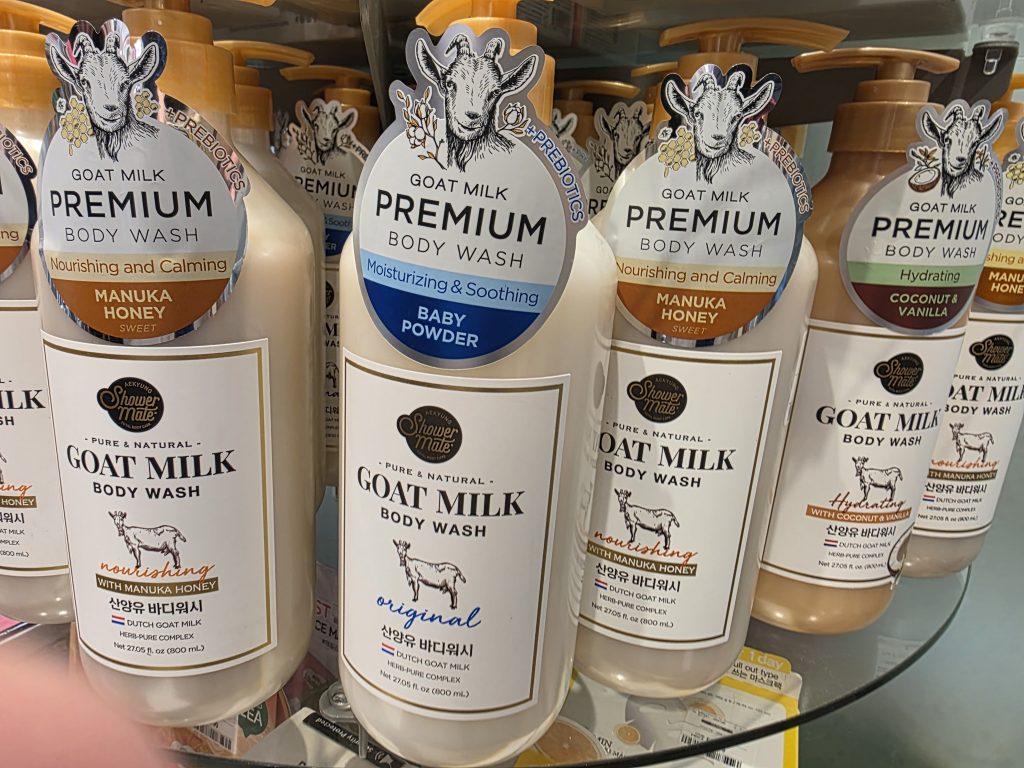
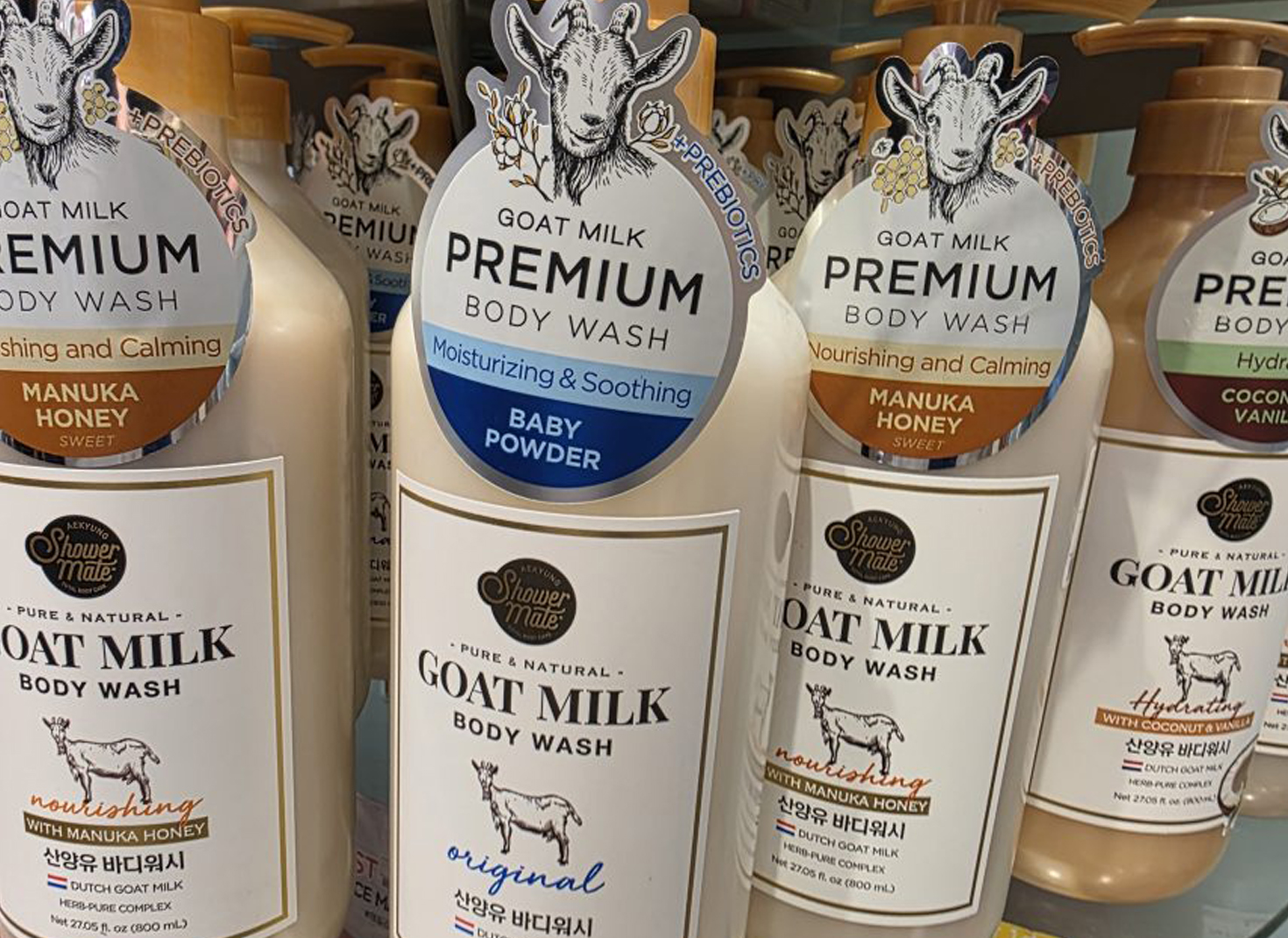
After coming across a so-called “goat’s milk” product in a department store, I decided to take a proper look at the label — not the front, but the back, where the truth usually lives.

What I found raises some serious questions about how these products are marketed… and what we’re actually putting on our skin.
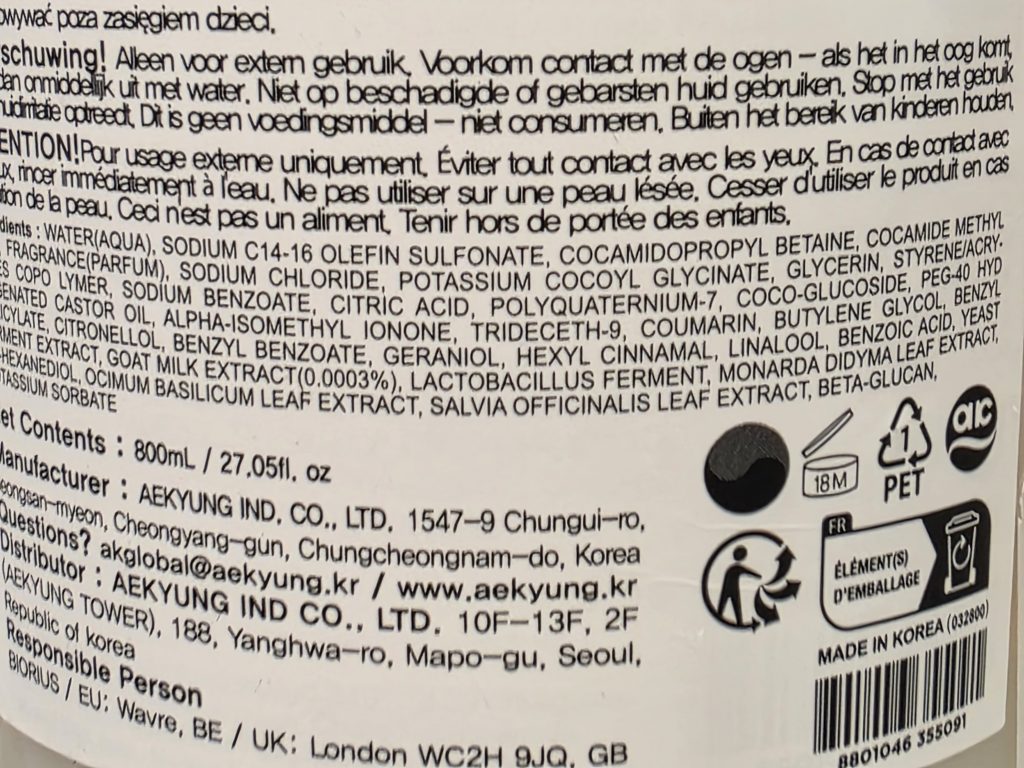

The Reality Behind the Label of this goat’s milk product

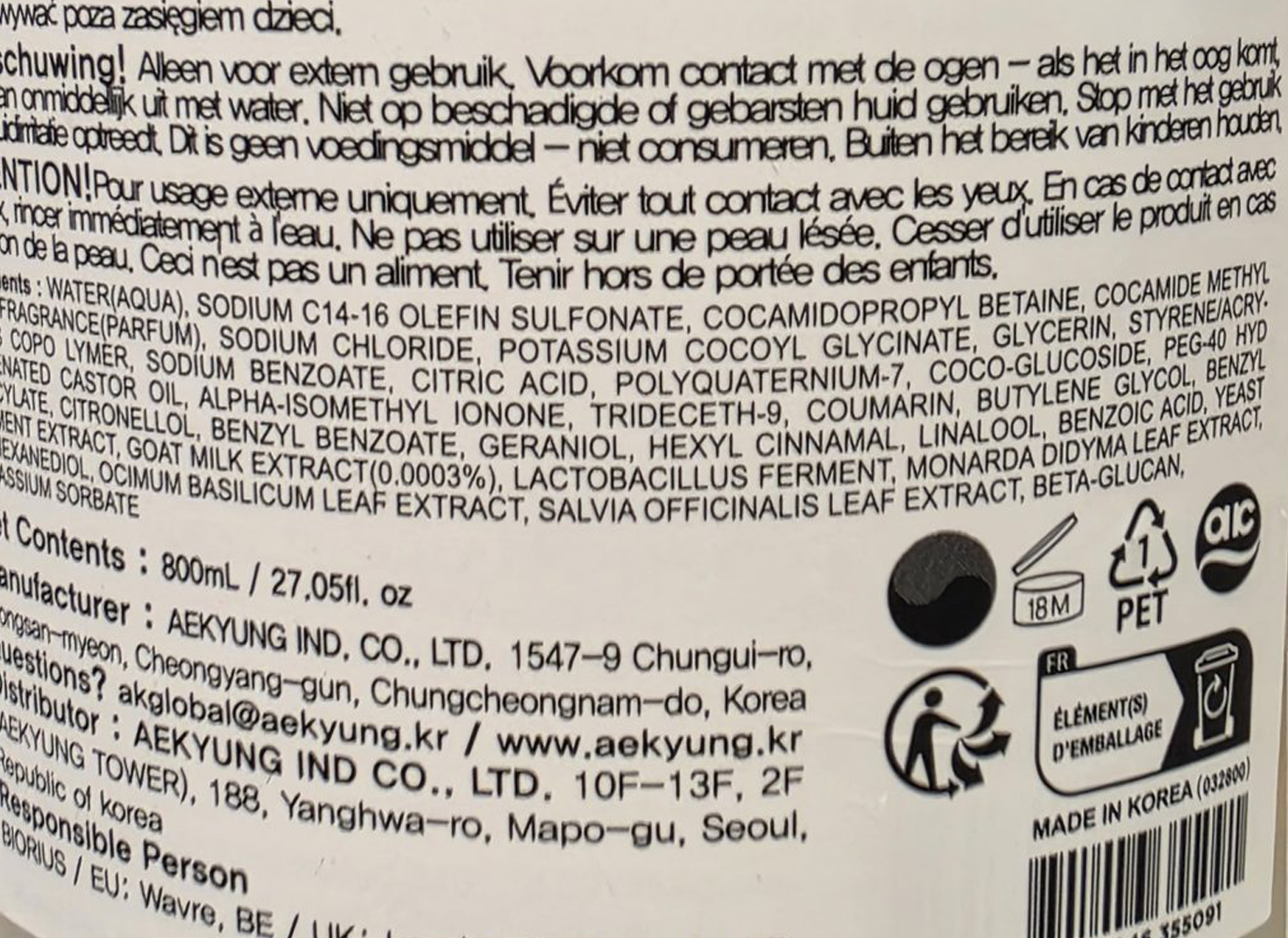
Right there in the ingredients list, buried among a long line of chemical names, was this:

Goat Milk Extract (0.0003%)

Let that sink in for a moment.

That’s not even a fraction of a percent you could meaningfully benefit from. It’s a trace — included just enough to justify putting “goat’s milk” on the label.

But what really stood out wasn’t just the tiny amount of goat’s milk…

It was everything else in the bottle.


A Cocktail of Harsh Cleansers

Near the top of the ingredient list were surfactants like:

  • Sodium C14-16 Olefin Sulfonate
  • Cocamidopropyl Betaine

These are strong cleansing agents often used to create foam and remove oils. While they might make a product feel effective, they can also be stripping, especially for sensitive or dry skin.

Instead of nourishing your skin, they can disrupt your natural barrier — leaving it tight, irritated, and more prone to dryness.


Fragrance Overload

This product doesn’t just contain “fragrance” — it includes a long list of known fragrance allergens such as:

  • Linalool
  • Geraniol
  • Hexyl Cinnamal
  • Citronellol
  • Coumarin

For anyone with sensitive skin, eczema, or irritation issues, these can be a real problem.

Fragrance might make a product smell nice, but it adds zero benefit to your skin — and in many cases, it’s one of the biggest triggers for reactions.


Fillers, Preservatives, and Additives

The list continues with ingredients like:

  • PEG compounds
  • Polyquaternium-7
  • Synthetic polymers
  • Preservatives like Sodium Benzoate and Benzoic Acid

These are commonly used to stabilise products and extend shelf life, but they don’t contribute anything nourishing or beneficial to your skin.

Instead, they bulk out the formula — making it cheaper to produce while giving the illusion of a premium product.


So What Are You Really Paying For?

When you strip it all back, this product is:

  • Mostly water
  • A mix of harsh cleansers
  • Synthetic additives
  • Fragrance chemicals
  • And a trace of goat’s milk so small it’s almost irrelevant

Yet it’s marketed as a natural, skin-friendly “goat’s milk” product.


Why This Matters

If you’re choosing goat’s milk skincare, it’s usually for a reason — whether that’s dry skin, sensitivity, or looking for something more natural.

But with products like this, you’re not getting the benefits of goat’s milk.

You’re getting a standard, mass-produced formula with a tiny drop of goat’s milk added for marketing.


A Call for Transparency

There’s nothing wrong with wanting a product that smells nice or lathers well. But there is something wrong with misleading labels that suggest a product is something it’s not.

As consumers, we deserve honesty.

And as makers, we have a responsibility to be clear about what’s actually in our products — not just what sells them.


Final Thoughts

Next time you pick up a “goat’s milk” product, take a moment to turn it over and read the ingredients.

Because sometimes, what’s on the front of the bottle tells a very different story from what’s inside it.

And when it comes to your skin, that difference matters more than you might think.
Posted on

Are “Goat’s Milk” Skincare Products Really What They Claim to Be?

Mother Clucking Farm - Handcrafted Goat Milk Skincare

Are “Goat’s Milk” Skincare Products Really What They Claim to Be?

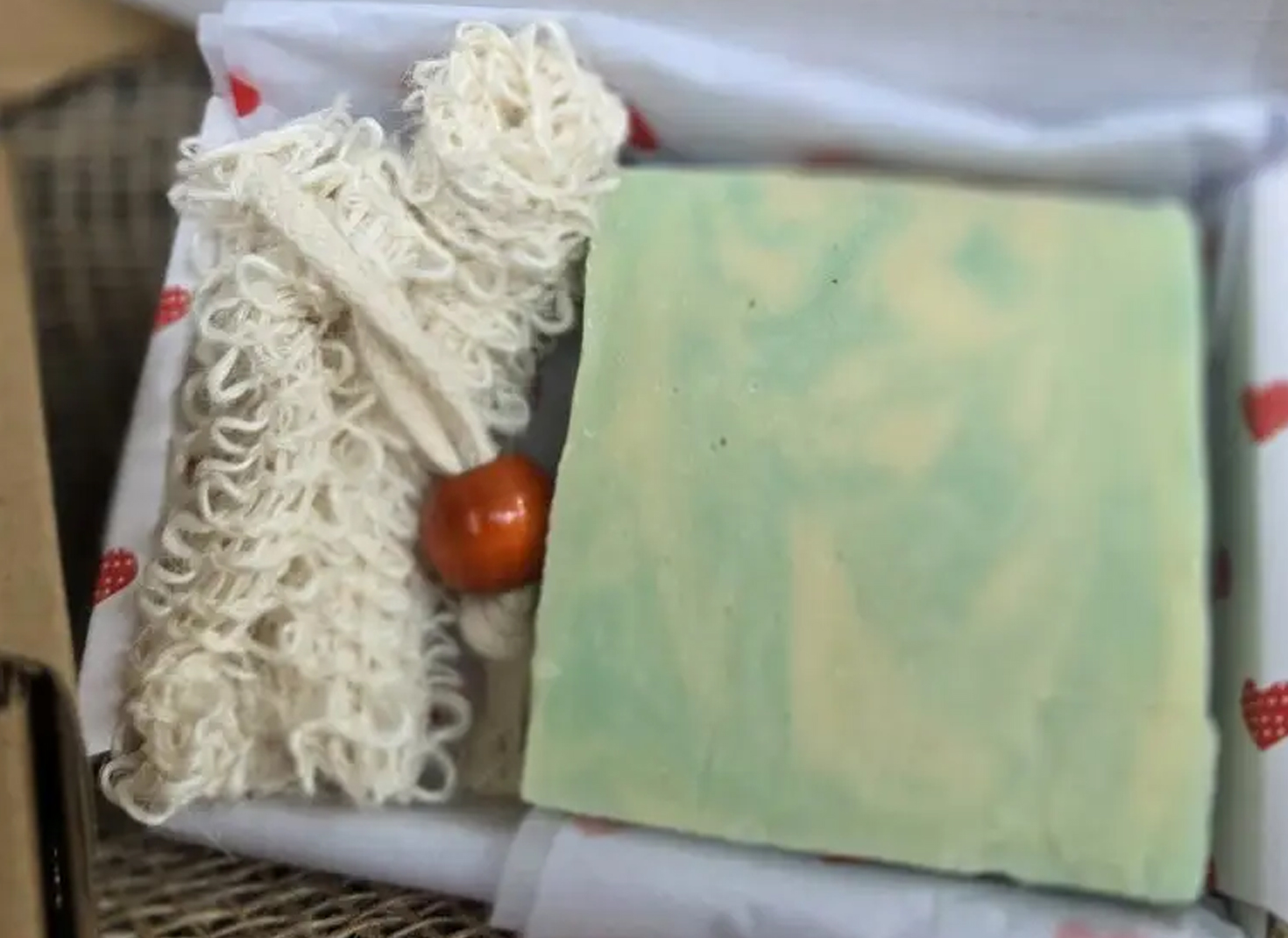
I recently found myself browsing in a local department store, curious (as I always am) about what’s out there in the world of goat’s milk skincare. One product in particular caught my eye — beautifully packaged, labelled as a “goat’s milk soap,” and clearly marketed as a natural, skin-loving choice.

But when I turned it over and read the ingredients more closely, I was honestly quite shocked.

Tucked away in the small print was the actual percentage of goat’s milk used in the product: just 0.003%.


Let’s Put That goat’s milk Into Perspective

0.003% is such a tiny amount that it’s almost meaningless in terms of skin benefits. It’s there more for marketing than for actually doing anything for your skin.

Goat’s milk is known for being rich in:

  • Natural fats that help moisturise and protect the skin barrier
  • Lactic acid, which gently exfoliates
  • Vitamins like A and E, which support healthy skin

But to get those benefits, you need a meaningful amount of goat’s milk in the product — not just a trace.


Why the Percentage Matters

When goat’s milk is included at such a low level, it simply can’t deliver the nourishing, soothing properties people are often looking for — especially if you’re dealing with dry, sensitive, or irritated skin.

It’s a bit like adding a single drop of milk to a bucket of water and calling it “milk.”

Technically true… but not exactly honest in spirit.


What We Do Differently at Mother Clucking Farm

When we created our soaps, it was never about jumping on a trend or using a label for marketing purposes.

It started with a very real need — finding something gentle and effective for sensitive skin.

That’s why every bar we make contains around 30% fresh goat’s milk.

Not 0.003%.
Not a token amount.
A genuinely skin-loving proportion.

Because if you’re choosing a goat’s milk product, it should actually contain goat’s milk in a way that makes a difference.


Why We Use So Much Goat’s Milk

We’ve spent years perfecting our recipes, and using a high percentage of goat’s milk isn’t the easiest or cheapest route — but it’s the one that works.

That higher content helps:

  • Create a creamier, more nourishing lather
  • Support dry or sensitive skin
  • Leave skin feeling soft, not stripped

And because we handle everything ourselves — from the goats to the final product — we know exactly what’s going into every bar.


A Gentle Reminder to Always Check the Label

If there’s one thing I’d encourage anyone to do, it’s this:

👉 Turn the product over and read the ingredients.

Not all “goat’s milk” products are created equal, and the difference between 0.003% and 30% is enormous — both in quality and in potential skin benefits.


Final Thoughts

There are some lovely products out there, and I’m not here to knock other makers. But I do think it’s important to be transparent and honest about what’s actually in the products we use on our skin.

For us, goat’s milk isn’t just a label — it’s the heart of everything we do.

And that’s something we’ll never water down.


If you’ve ever wondered whether goat’s milk skincare really works, the answer might just come down to one simple question:

How much goat’s milk is actually in it?


Posted on

Balm On The Run: Your Go-To Natural Skin Saver for Everyday Life

Mother Clucking Farm - Handcrafted Goat Milk Skincare

Balm On The Run: Your Go-To Natural Skin Saver for Everyday Life

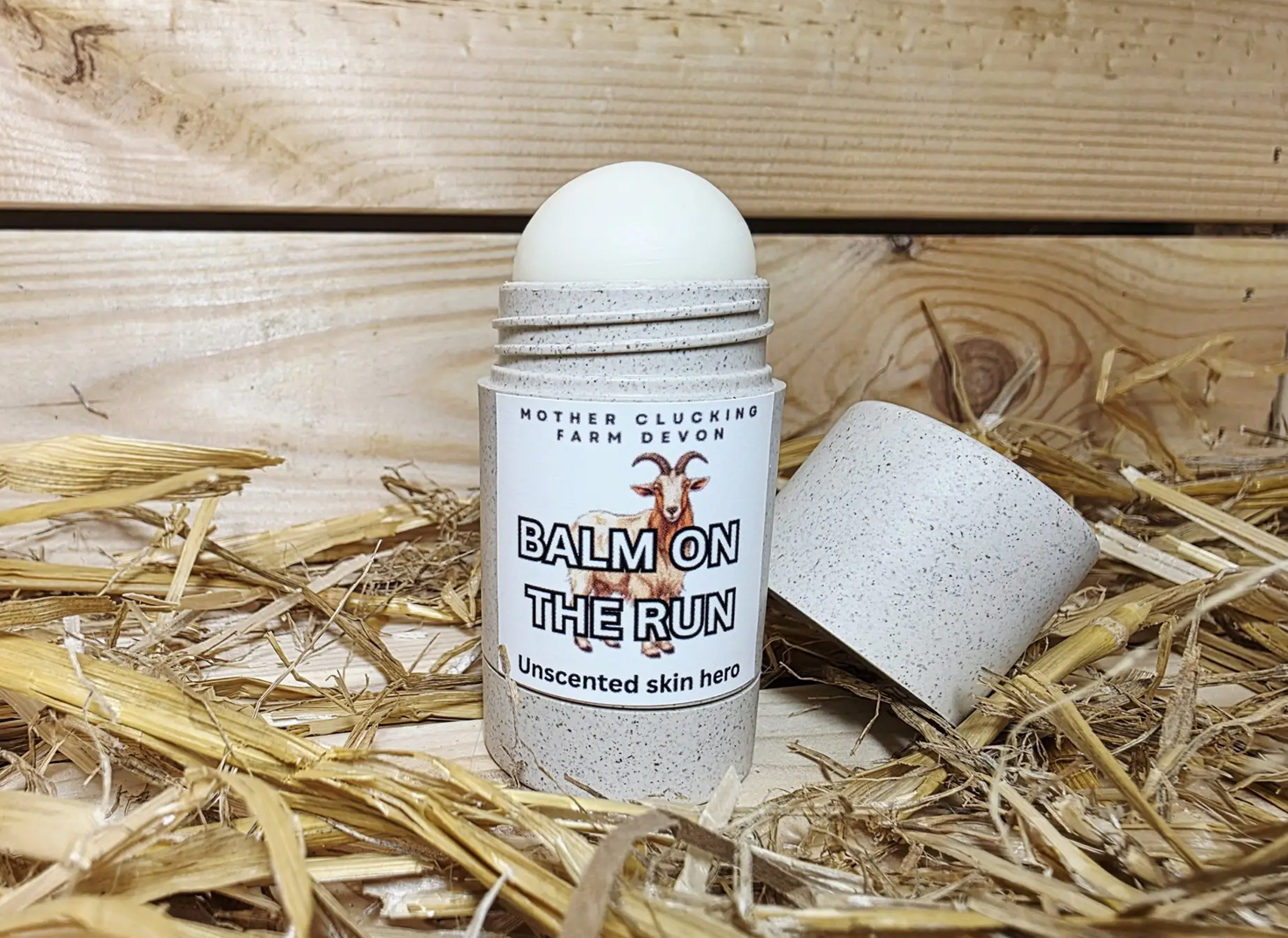
If you’re searching for a natural skin balm for dry skin, something you can trust for the whole family, or a multi-purpose balm for sensitive skin, let us introduce you to your new essential: Balm On The Run from Mother Clucking Farm.

Created on our family-run farm and made with our signature goat’s milk, this little pot of goodness is designed to go wherever life takes you — because real skin needs real care, every single day.


What Is Balm On The Run?

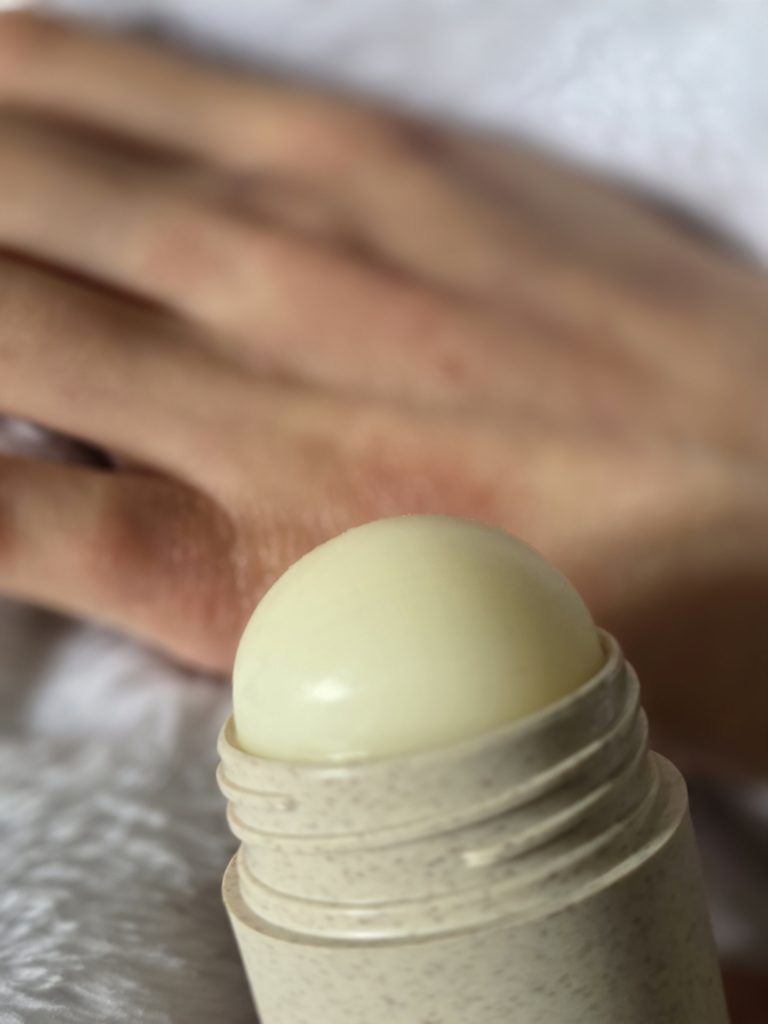
Balm On The Run is a deeply nourishing, all-natural skin balm made to soothe, protect, and restore your skin on the go. Packed with the natural goodness of goat’s milk, it’s rich in vitamins and gentle enough for even the most sensitive skin.

Whether you’re dealing with dryness, irritation, or just need a reliable daily moisturiser, this balm does it all — without harsh chemicals or unnecessary additives.


What Is Balm On The Run Good For?

This is where Balm On The Run really shines. It’s a true multi-purpose skincare essential, perfect for:

✨ Dry Skin Relief

Struggling with dry hands, cracked skin, or rough patches? This balm works as a deep moisturising balm for very dry skin, helping to lock in hydration and restore softness.

✨ Eczema-Prone Skin

Developed with care and understanding, Balm On The Run is ideal as a gentle balm for eczema-prone skin, helping to calm and soothe without irritation.

✨ Lips, Hands & Cuticles

Use it as a natural lip balm, hand balm, or cuticle softener — perfect for keeping in your bag for daily use.

✨ Minor Cuts & Scrapes

Thanks to its nourishing and protective properties, it can help support skin recovery — making it a great healing balm for minor cuts and cracks.

✨ On-the-Go Skincare

Busy lifestyle? No problem. This is your travel-friendly skincare essential, perfect for handbags, cars, or pockets.


Why Goat’s Milk Skincare?

At Mother Clucking Farm, everything starts with our goats. Goat’s milk is naturally rich in:

  • Vitamins A, D, and E
  • Fatty acids that support the skin barrier
  • Gentle exfoliating properties

That’s why it’s widely loved as a natural remedy for sensitive skin and increasingly searched for by people looking for chemical-free skincare alternatives.


Handmade With Purpose

Every tin of Balm On The Run is:

  • Handcrafted on our family farm
  • Made using milk from our own goats
  • Created in small batches for quality and care
  • Designed with sustainability in mind

This isn’t mass-produced skincare — it’s personal, honest, and made with love.


Who Is It For?

If you’ve been searching for:

  • “best natural balm for dry skin UK”
  • “goat milk balm for eczema”
  • “multi-purpose balm for sensitive skin”
  • “natural skincare for the whole family”

Then Balm On The Run is for you.


Ready to Take It Everywhere?

Life doesn’t stop — and neither should your skincare. Whether you’re out on the farm, at work, or running errands, Balm On The Run is there when your skin needs it most.

Small enough to carry. Powerful enough to make a difference.


Balm On The Run — natural skincare that works, wherever you are.


#image_title
Posted on

Why Natural Skincare Is Booming

Mother Clucking Farm - Handcrafted Goat Milk Skincare

— And Why Sensitive Skin (Especially Eczema) Is Driving It


Natural skincare

Over the past few years, one phrase has exploded across Google, Pinterest, and social media:

natural skincare

It’s now the most searched beauty approach worldwide — not just a trend, but a shift in how people think about skin health, and natural skincare. Consumers are no longer looking for quick cosmetic fixes. They’re searching for comfort, safety, and long-term skin balance.

And behind that massive interest sits the biggest driver of all:

people with sensitive skin and eczema looking for relief.


The Real Reason People Turn to Natural Skincare

For decades, skincare marketing focused on perfection — anti-wrinkle, poreless, flawless.
But search behaviour tells a different story.

People are typing things like:

  • why does my skin itch after washing
  • soap making my skin dry
  • natural skincare for eczema
  • gentle cleanser for sensitive skin
  • skin barrier repair routine

In other words, they’re not chasing beauty — they’re chasing comfort.

Modern skin problems are increasingly linked to barrier damage. Over-cleansing, harsh detergents, fragrances and strong actives strip the protective lipid layer that keeps moisture in and irritants out. Once compromised, skin reacts to everything: water, weather, fabrics, even air temperature.

That’s why natural skincare has become the most trusted category. People associate it with fewer irritants and a more supportive approach to skin healing.


Why Eczema Searches Lead the Entire Natural Skincare Market

Eczema isn’t rare anymore. Dermatologists report rising cases every year, especially in children and adults under stress.

When skin becomes inflamed, dry and reactive, people stop experimenting with trendy products. They start researching carefully. And they overwhelmingly search for natural options first.

Why?

Because sufferers quickly learn that many mainstream cleansers contain:

  • sulfates (stripping detergents)
  • alcohols
  • synthetic fragrance
  • aggressive preservatives

These can trigger flare-ups even when labelled “dermatologically tested”.

So instead, they search:

natural skincare for eczema

This has become one of the highest-intent skincare searches online — meaning the person isn’t browsing. They’re desperate for something that works.


The Skin Barrier: The Real Star of Natural Skincare

The biggest shift in skincare education is understanding the skin barrier.

Healthy skin isn’t just about moisture — it’s about structure.

Your outer layer is made of skin cells held together by lipids (fats). Think of it as bricks and mortar:

  • Cells = bricks
  • Natural oils = mortar

When the mortar washes away, water escapes and irritants enter.

Harsh cleansers remove not only dirt, but also protective oils. The result:

  • tightness after washing
  • redness
  • itching
  • flaking
  • worsening eczema

Natural skincare focuses on protecting this barrier rather than constantly exfoliating it.


Why Gentle Cleansing Matters More Than Moisturising

One of the biggest misconceptions is that dry skin just needs more cream.

In reality, most dryness starts in the wash.

If cleansing strips the skin daily, moisturiser becomes a temporary patch instead of a solution.

People who switch to gentle natural cleansing often notice:

  • less itching within days
  • reduced redness
  • fewer flare-ups
  • moisturiser working better
  • skin feeling comfortable again

This is why washing products are now searched more than creams in the natural skincare space.


Ingredients People Are Trusting Again

Instead of complicated chemical formulas, people now look for recognisable, soothing ingredients:

  • milk proteins & fats (barrier support)
  • oats (anti-inflammatory)
  • calendula (repair support)
  • chamomile (calming)
  • plant oils (lipid replenishment)

They aren’t looking for miracle cures — they want skin to behave normally again.

That’s the entire philosophy behind the rise of natural skincare: restore before correcting.


The Future of Skincare Is Comfort-First

Beauty used to be about appearance.
Now it’s about feeling comfortable in your own skin.

Consumers increasingly judge products by one question:

Does my skin feel calmer after using it?

Not smoother. Not tighter. Calmer.

And that explains why searches for natural skincare continue to grow — especially among people struggling with eczema and sensitivity. They’ve tried everything else. They’re not chasing trends anymore. They’re looking for trust.


The Takeaway

Natural skincare isn’t popular because it’s fashionable.

It’s popular because modern skin is overwhelmed — and people are finally realising the healthiest skin isn’t the most treated…
…it’s the least irritated.

When the barrier is supported, the skin often fixes itself.

And that’s exactly what today’s skincare search behaviour is telling us.


Posted on

How Our Goat’s Milk Bath Bomb Helped Soothe Chilblains

Mother Clucking Farm - Handcrafted Goat Milk Skincare

How Our Goat’s Milk Bath Bomb Helped Soothe Norah’s Chilblains

Winter on a small family farm brings frosty mornings, cold ground and — unfortunately — chilblains. If you’ve ever suffered with them, you’ll know they’re far more than a minor irritation. They can be intensely painful, stubborn and slow to heal.

This year our daughter Norah developed chilblains on her toes, and it quickly became clear we weren’t dealing with simple dry skin. The area became red-purple, swollen and hot to the touch. Walking hurt. Socks hurt. Even the warmth of the house after coming inside made the pain worse.

That’s when we began searching for something gentle enough to soothe the skin without aggravating it further — and unexpectedly, the answer ended up being a bath bomb.


What Is a Chilblain?

A chilblain (also called pernio) happens when skin is exposed to cold and then rewarmed too quickly. Tiny blood vessels constrict in the cold and then rapidly expand with warmth, which can cause leakage into the surrounding tissue.

The result is:

  • Burning and itching
  • Deep tenderness
  • Swelling
  • Red or purple patches
  • Cracked skin in severe cases

For children especially, chilblains can be miserable. The pain is not just surface-level — it throbs. Norah described it as “stinging needles” in her toes whenever they warmed up.


Everything We Tried First (And Why It Didn’t Work)

We initially followed the usual advice.

We tried witch hazel — often suggested as a soothing remedy — but it actually caused intense stinging and made her dread treatment time.

I even bought a specific chilblain treatment product designed to improve circulation. Instead of relief, it caused immense pain and left the area more irritated. At that point, we knew we had to stop using anything harsh.

What we needed was warmth without shock, moisture without occlusion, and something calming rather than stimulating.


The Evening Foot Soak Routine

Almost by accident, we discovered the difference a gentle bath bomb soak could make.

Every evening, Norah began soaking her feet in warm — not hot — water with one of our goat’s milk bath bomb soaks dissolved in it. Within minutes the water turned soft and milky.

The key ingredients that helped:

Goat’s milk – moisturises and softens tight, inflamed skin
Epsom salts – help ease inflammation and discomfort
Gentle warmth – improves circulation gradually

After the first few nights, she noticed the burning sensation reduced. Within a week, swelling started to calm. For the first time, healing actually began instead of restarting the irritation cycle.

We realised the bath bomb wasn’t “curing” it instantly — it was allowing the body to recover naturally by removing the triggers that kept aggravating it.


Why the Bath Bomb Helped

Chilblains hate sudden change. Many treatments stimulate circulation too aggressively, which causes more pain. The warm soak with a bath bomb works differently:

  • Gradual warming instead of rapid heat
  • Hydration instead of drying agents
  • Mineral support from Epsom salts
  • Softening the skin barrier

The Epsom salts inside the bath bomb in particular seemed to help push the healing forward. Instead of tight, shiny skin, the area became supple. Cracking reduced. Colour improved.

Now, Norah asks for her foot soak every evening — something she once dreaded with other treatments.


A Gentle Approach Matters

Chilblains can take weeks to heal, and harsh remedies often prolong them. What made the difference for us was consistency and gentleness. One soothing bath bomb soak each evening created a calm routine her skin could tolerate.

20260207 140527

We’re sharing this because parents often feel helpless watching their child in pain during winter months. While every case is different, a mild, moisturising soak may be far kinder than strong topical applications.

Sometimes healing doesn’t need more force — it needs less.

And for Norah, a simple nightly bath bomb routine has finally started to shift what weeks of other treatments could not.


Posted on

Caring for Sensitive Skin

Mother Clucking Farm - Handcrafted Goat Milk Skincare

Caring for Sensitive Skin

Caring for Sensitive Skin is less about complicated routines and more about understanding how the skin actually protects itself. If your skin often feels tight, itchy, stings after washing, or reacts to products that others tolerate easily, your skin barrier is asking for support — not stronger treatment.

Sensitive skin isn’t really a fixed skin type. It’s usually a sign the protective barrier has been weakened by environment, overwashing, harsh products, or conditions such as eczema or dermatitis. Once you start caring for the barrier instead of stripping it, the skin can settle and repair.


What Happens When Skin Becomes Sensitive

Healthy skin has a protective outer layer often compared to a brick wall:

  • Skin cells = bricks
  • Natural oils = mortar

This barrier keeps moisture in and irritants out.
Sensitive skin develops when the “mortar” breaks down.

Water escapes → dryness
Irritants enter → redness and itching

So caring for sensitive skin isn’t about disinfecting or scrubbing harder — it’s about restoring that wall.


The Most Common Mistake

Many people try to fix sensitivity by washing more frequently or using stronger cleansers.

Unfortunately, a lot of modern soaps are designed to remove oils very efficiently. That works well for resilient skin, but sensitive skin relies on those oils for protection. When they are repeatedly removed, the barrier weakens further.

A simple test:
If your skin feels tight after washing, the cleanser is too harsh.

Healthy cleansing should leave skin comfortable, not desperate for moisturiser.


How to Cleanse Gently

When caring for sensitive skin, cleansing should only remove dirt — not protection.

Look for cleansers that are:

  • Low foaming
  • Mildly scented or fragrance free
  • Free from harsh sulphates (like SLS)
  • Naturally moisturising
  • Creamy rather than squeaky-clean

The goal is balance, not sterility.


Ingredients That Support the Skin Barrier

Some ingredients help the skin recover rather than fight it.

Helpful

  • Oat
  • Goat milk
  • Shea butter
  • Natural glycerin
  • Olive or jojoba oil

Often irritating

  • Heavy fragrance
  • Alcohol-heavy formulas
  • Strong exfoliating acids
  • Antibacterial cleansers

Natural doesn’t always mean gentle — peppermint or citrus oils can still trigger reactions on compromised skin.


Why a Simple Naked Soap Bar Can Help Sensitive Skin

When caring for sensitive skin, fewer ingredients often means fewer reactions.

Liquid cleansers usually require stabilisers, preservatives, and foaming agents to remain shelf-stable. A traditional naked soap bar doesn’t — allowing the formula to stay simple.

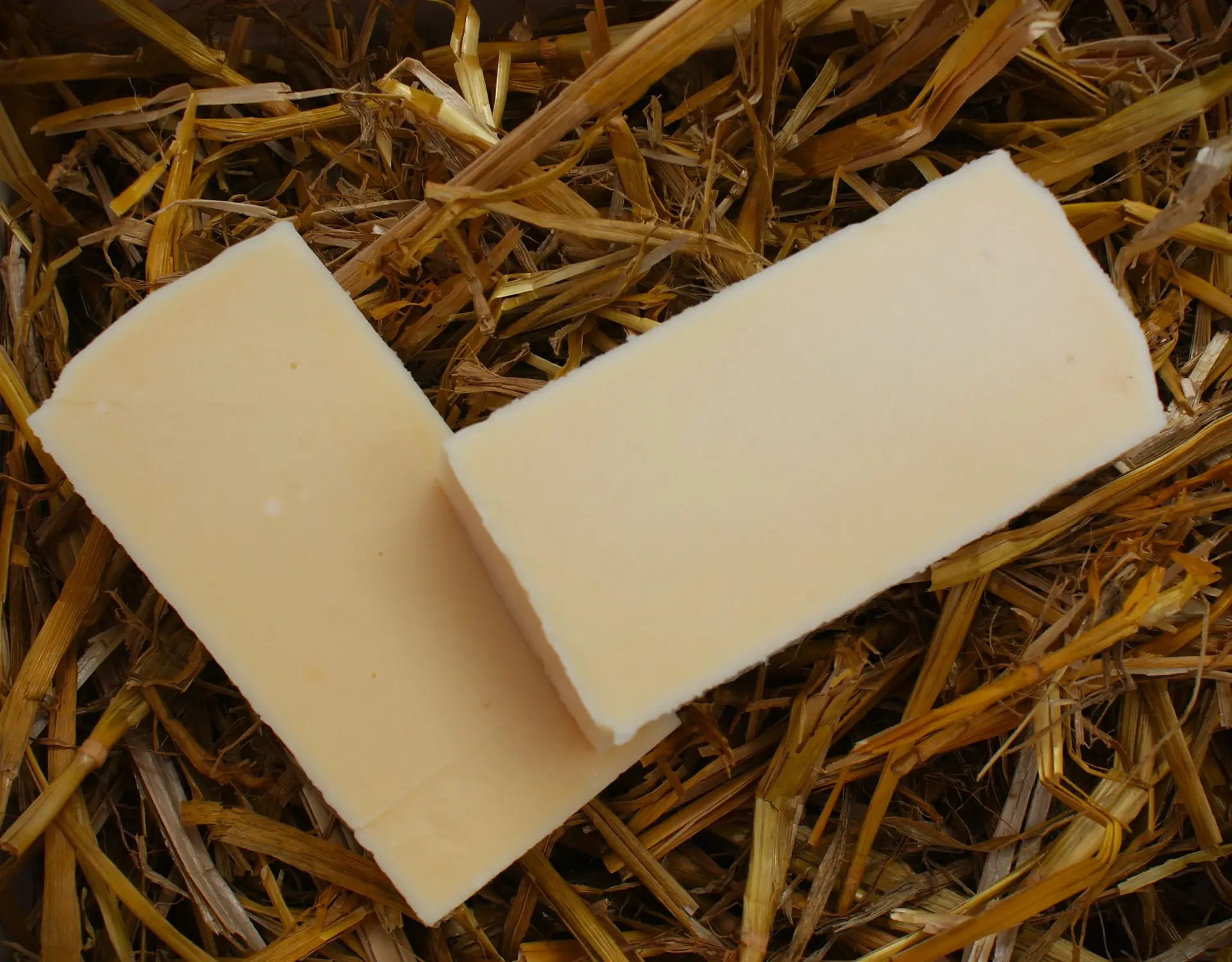
Our naked goat milk soap bar is designed to cleanse while respecting the skin barrier:

  • No harsh sulphates stripping natural oils
  • No heavy added perfume lingering on the skin
  • Naturally retained glycerin for moisture support
  • Creamy fats from goat milk to soften after washing
  • A short, recognisable ingredient list

Instead of leaving skin squeaky clean — which actually signals oil loss — it leaves it comfortable. The aim is to remove dirt while keeping the skin’s protection intact.

Many people find switching from a strong liquid cleanser to a mild traditional bar is the turning point where washing no longer causes dryness.


A Simple Routine That Works

Sensitive skin improves with consistency:

Morning

  1. Gentle cleanse or rinse
  2. Moisturise

Evening

  1. Mild cleanse
  2. Moisturise on slightly damp skin

Avoid layering multiple active products. Every extra ingredient increases the chance of irritation.


Bathing Tips for Reactive Skin

  • Use lukewarm water
  • Keep washing short
  • Pat dry, don’t rub
  • Moisturise within 3 minutes

For children and eczema-prone skin, overwashing is one of the most common triggers.


The Key Principle

Caring for sensitive skin isn’t about stronger products — it’s about gentler habits.

Once the barrier is supported, the skin usually calms naturally over several weeks. Redness reduces, itching eases, and washing stops being uncomfortable.

Often the biggest improvement comes not from adding more skincare, but from removing what was quietly irritating the skin all along.

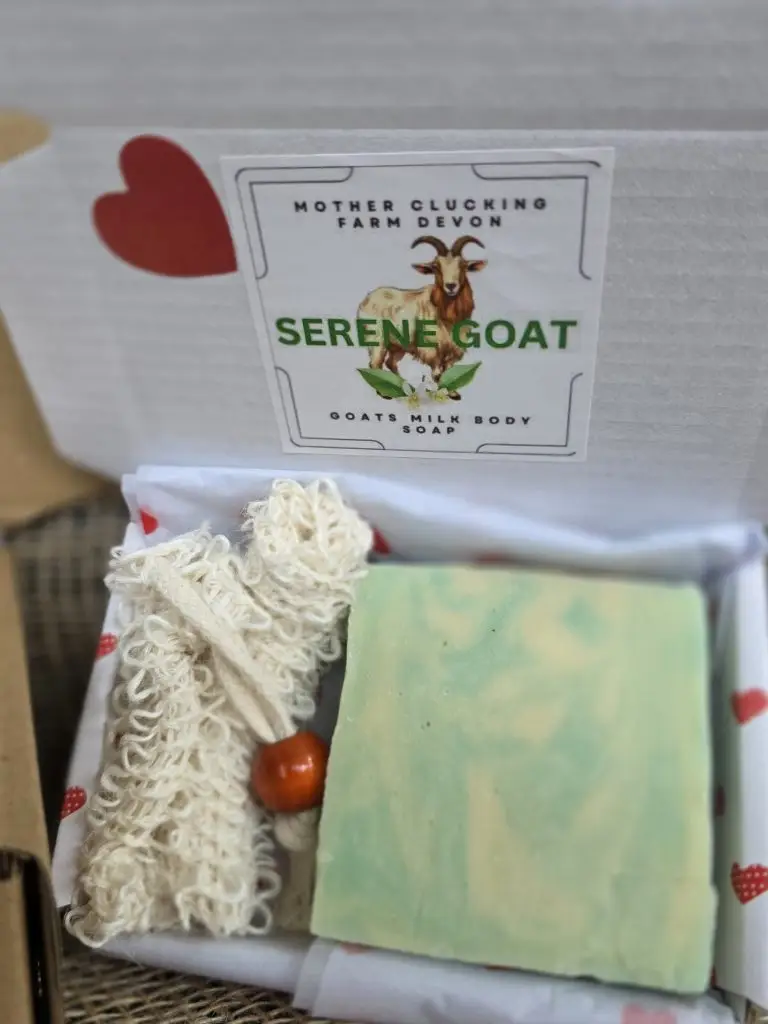
get the best selling bar NAKED GOAT here!

sensitive skin

NAKED GOAT
ZERO FRAGRANCE
ZERO COLOURANTS


Posted on

New Year, New Start: Choosing the Right Products for Your Skin

Mother Clucking Farm - Handcrafted Goat Milk Skincare


A new year always brings a sense of possibility. Fresh starts, better habits, and a renewed focus on looking after ourselves. While many of us think about healthier eating or moving more, our skin often gets forgotten — even though it works hard for us every single day.

If this year you’re promising yourself a new start, your skincare routine is a powerful place to begin.


Why the New Year Is the Perfect Time to Reset Your Skincare

Over time, our skin can become overwhelmed. Product overload, harsh ingredients, stress, weather changes, and even well‑meant but unsuitable routines can leave it feeling dry, irritated, or out of balance.

The new year is a chance to strip things back and focus on what your skin actually needs — not what’s trending on social media.

A good skincare reset isn’t about using more products. It’s about using the right ones.


Listen to Your Skin (It’s Trying to Tell You Something)

One of the biggest mistakes people make is choosing products based on skin type alone — oily, dry, sensitive — without considering skin condition.

Ask yourself:

  • Does my skin feel tight after cleansing?
  • Am I dealing with redness, itching, or flare‑ups?
  • Has my skin changed with age, stress, or the seasons?

If your skin feels uncomfortable, reactive, or unpredictable, it’s often a sign that it needs gentler, more nourishing care.


The Importance of Gentle, Skin‑Loving Ingredients

Not all skincare is created equal. Many mainstream products rely on synthetic fragrances, harsh foaming agents, and preservatives that can strip the skin’s natural barrier.

For a true new‑year reset, look for products that:

  • Support the skin barrier
  • Help maintain natural moisture
  • Are suitable for sensitive or problem‑prone skin

Natural ingredients, when chosen carefully and formulated properly, can make a noticeable difference — especially for skin that struggles with dryness or irritation.


Why Goat’s Milk Is a Game‑Changer for Skin

Goat’s milk has been used in skincare for centuries, and for good reason.

It’s naturally rich in:

  • Vitamins A, D, and B6 to support healthy skin renewal
  • Fatty acids that help nourish and soften
  • Lactic acid, which gently exfoliates without stripping

Because goat’s milk closely matches the skin’s natural pH, it helps keep skin balanced rather than fighting against it. This makes it particularly loved by people with sensitive, dry, or eczema‑prone skin.


Less Stress, More Consistency

A new start doesn’t need to be complicated. In fact, skin often thrives on consistency.

A simple routine can look like:

  1. A gentle cleanse that doesn’t leave skin tight
  2. A nourishing soap or moisturising product that supports the skin barrier
  3. Daily use — because skincare only works if you actually stick with it

Consistency beats complexity every time.


Make This the Year You’re Kinder to Your Skin

This year, instead of chasing quick fixes or miracle products, choose skincare that works with your skin, not against it.

A new year is about fresh beginnings — and your skin deserves one too.

If you’re ready to simplify your routine and give your skin the care it’s been asking for, explore our range of handmade goat’s milk skincare, created with care from our family farm to your home.

New year. New start. Healthier, happier skin.

get yours here!

Posted on

Your Skin Barrier Is Broken – Here’s How to Fix It Naturally

Mother Clucking Farm - Handcrafted Goat Milk Skincare

Your Skin Barrier Is Broken – Here’s How to Fix It Naturally

If your skin feels tight, sore, itchy, inflamed, or reacts to everything, there’s a good chance your skin barrier is damaged — and you’re not alone.

Over the last few years, skincare trends have pushed strong acids, retinols, and “quick fixes”. While they promise glowing skin, many people are now paying the price with flare-ups, eczema, sensitivity, and skin that just won’t behave.

Let’s talk about what’s really going on — and how to repair your skin barrier naturally.

What Is the Skin Barrier (And Why Everyone’s Talking About It)?

Your skin barrier is the outermost layer of your skin. Think of it like a brick wall:

  • The skin cells are the bricks
  • The natural fats and oils are the mortar

When that wall is healthy, it:

  • Locks moisture in
  • Keeps irritants out
  • Supports your skin’s natural microbiome

When it’s damaged, water escapes and irritants get in — leading to dryness, redness, itching, eczema, and sensitivity.

This is why “skin barrier repair” has become one of the most searched skincare topics right now.

Signs Your Skin Barrier Needs Help

You might have a damaged barrier if you experience:

  • Burning or stinging when applying products
  • Sudden sensitivity to products you used to tolerate
  • Eczema or dermatitis flare-ups
  • Tight, flaky skin that never feels moisturised
  • Redness that won’t calm down

Sound familiar? You’re not broken — your skin is just asking for gentler care.

Why Less Is More When It Comes to Healing Skin

One of the biggest skincare myths is that more products = better skin.

In reality, over-cleansing and over-exfoliating strip the skin of its natural protective oils, making barrier damage worse.

To repair your skin barrier, your skin needs:

  • Gentle cleansing
  • Deep nourishment
  • Ingredients that support the skin, not fight it

This is where traditional, ingredient-led skincare is making a big comeback.

Goat’s Milk: A Barrier-Loving Ingredient Nature Got Right

Goat’s milk has been used for centuries for sensitive and problem skin — and modern science now backs it up.

It’s naturally rich in:

  • Skin-identical fats that help repair the barrier
  • Lactic acid (gentle, non-stripping exfoliation)
  • Vitamins A & D to support skin renewal
  • Prebiotic properties that help support the skin microbiome

Unlike synthetic creams that sit on top of the skin, goat’s milk works with your skin’s natural structure.

For people with eczema-prone, dry, or reactive skin, this makes a world of difference.

The Best Routine for Barrier Repair

If your skin is struggling, try this approach for 2–4 weeks:

  1. Stop harsh products (strong acids, foaming cleansers, alcohol-heavy formulas)
  2. Cleanse gently with a soap or cleanser that doesn’t strip natural oils
  3. Moisturise consistently using rich, nourishing ingredients
  4. Give your skin time — healing isn’t instant, but it is possible

Your skin doesn’t need punishment. It needs support.

Back to Basics, Back to Healthy Skin

At Mother Clucking Farm, everything we make is built around one simple idea:
healthy skin comes from respecting the skin barrier, not attacking it.

Our goat’s milk skincare is made slowly, in small batches, using fresh milk from our own goats — because skin that’s struggling deserves ingredients that are honest, gentle, and effective.

If you’ve tried “everything” and your skin still isn’t happy, it might be time to stop chasing trends and start supporting your skin instead.

Final Thought

Skincare doesn’t have to be complicated.
Sometimes the most powerful solutions are the ones nature already perfected.

Your skin barrier will thank you for it 💛

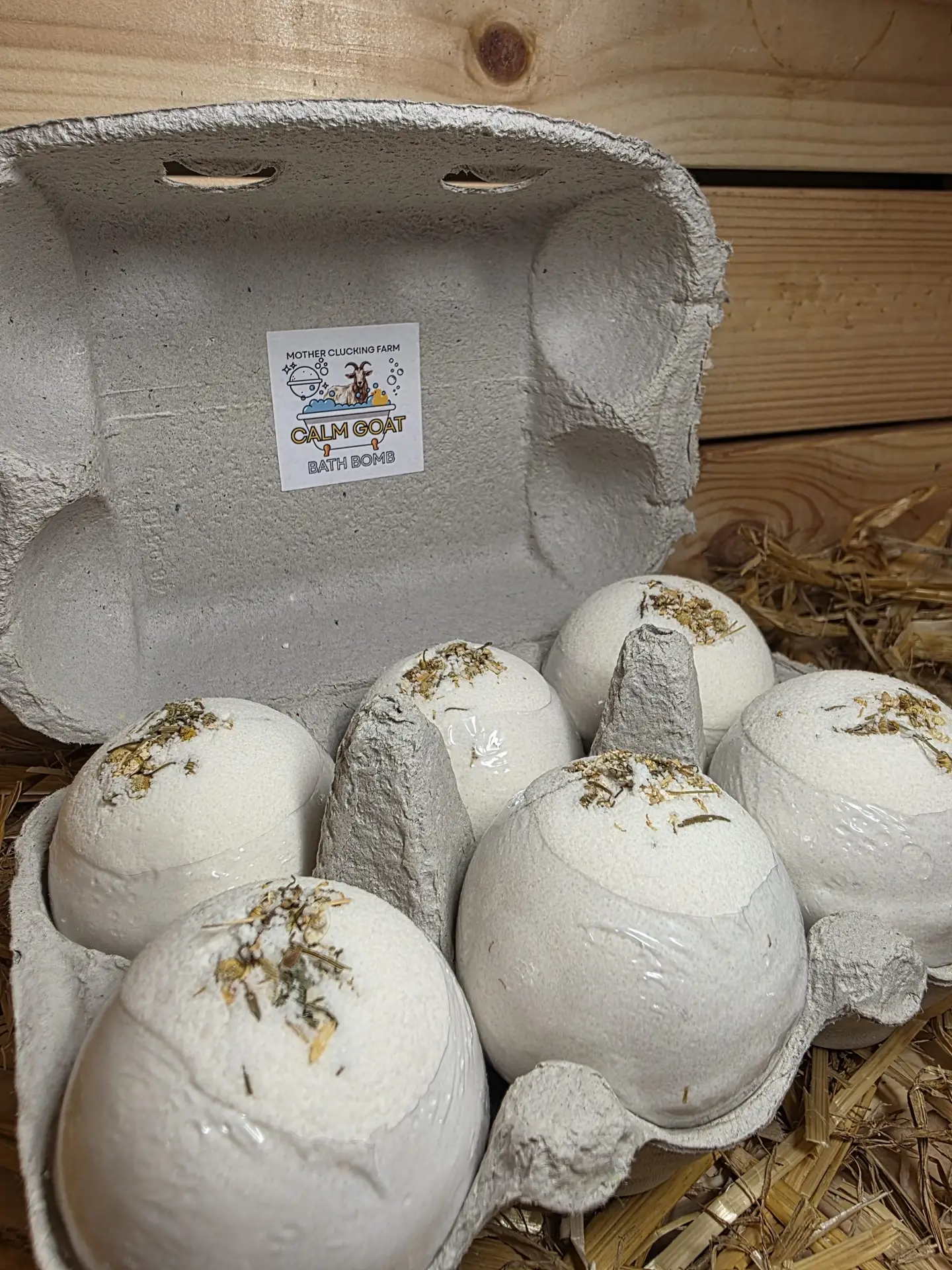
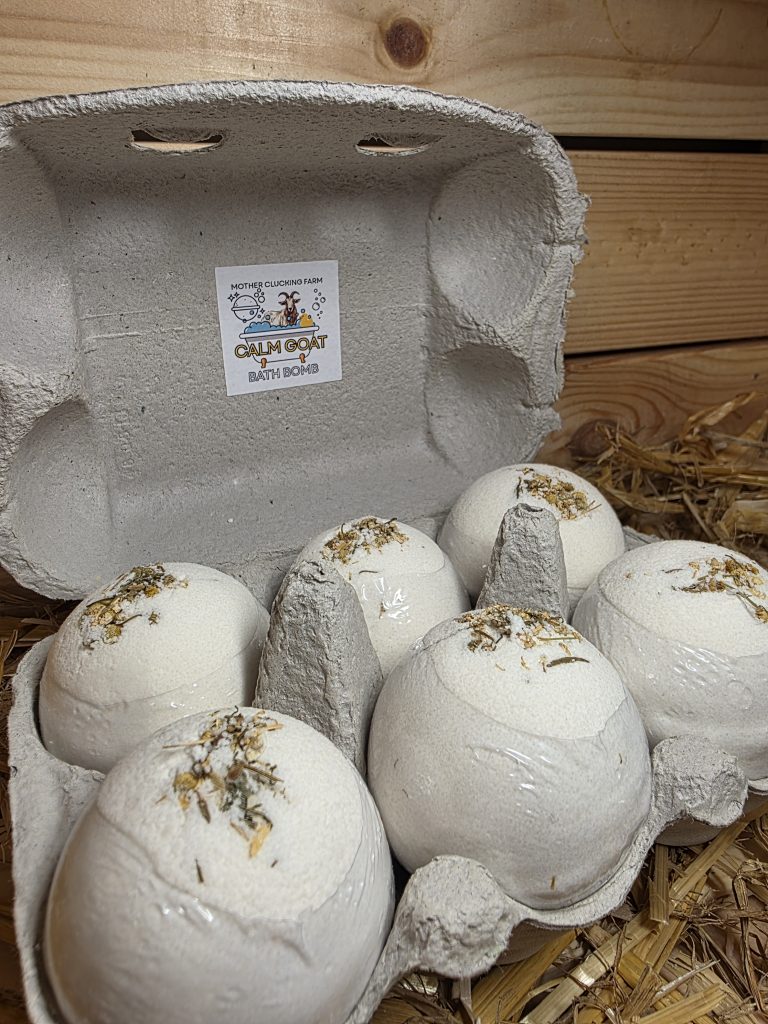
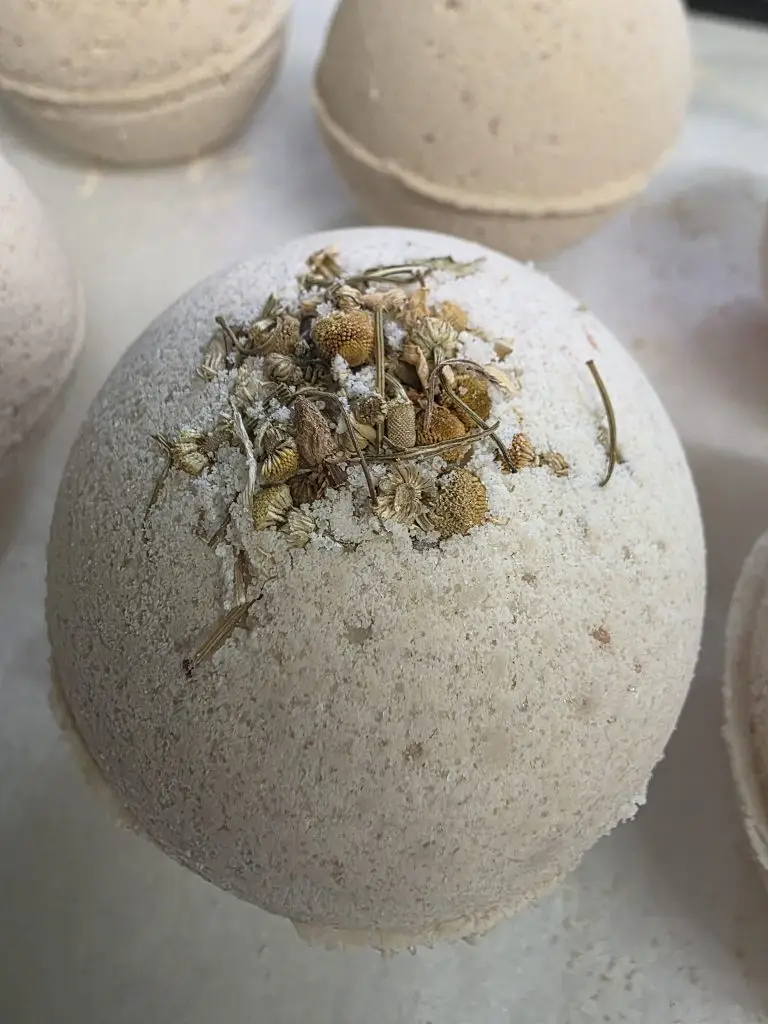
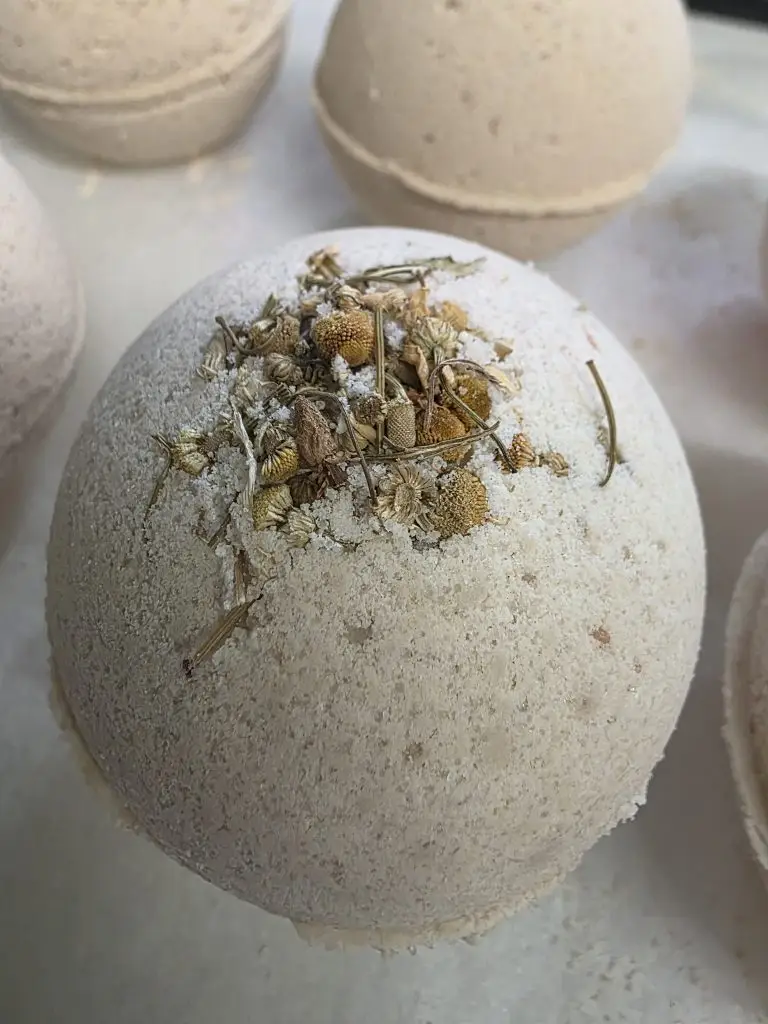
Check out our new range of bath bombs, like the calm goat with Chamomile!

20260115 135843
Posted on

The Tiny Revolution: What Makes Mother Clucking Farm Unique

Mother Clucking Farm - Handcrafted Goat Milk Skincare

Skincare means a lot to us as equally important are our dairy goats who make it happen, a tiny revolution!

Did you know that we are the only goat dairy business in the country who use goats in relation to Nigerian Dwarf Goats?

Our herd of super small super goats only produce a small amount of milk. This means every drop is precious and packed with a higher concentration of everything that goats milk has to offer for your skin. Having the highest butter fat and lactic acid content of any other breed of goat. They are the tiny revolution!

What does this mean?

Firstly our goats milk soaps form a protective layer on the skin that reduces trans-epidermal water loss, meaning that our formula is perfect for excellent for gentle,natural exfoliation that is safe for getting even the driest and most compromised skin back on track without the use of abrasive materials. In addition to maximise the healing properties of our soap, our formula uses absolutely no water.

There is a very limited number of these goats in the United Kingdom, furthermore we are working on increasing the numbers. Great skincare and nutrition shouldn’t be clucking gatekept.

New Arrivals

Last week we added two new goats to our family – Maggie and Gracie! They are settling in well with the others and we can’t wait to get to know them more.

Mother Clucker’s Goat Awards

The Good Goat of the Week award goes to Maggie! Being one of our new goats, Maggie is settling in well and is trying her best to make friends.

The Bad Goat of the Week award goes to Foxy. Being the head goat, she has a tendency to dislike newcomers and is definitely letting Maggie and Gracie know who’s boss. Besides being a strong independent doe, we do think she could be a bit less aggressive.

Coming Up…

As you may or may not be aware, Mitchum has changed steps in their manufacturing process for their deodorants which has caused a lot of people to suffer from irritation. We are currently working on a natural deodorant ourselves that will stay consistently healing. As we’re a small independent business, we can guarantee that our highest priority is care over profit. This will never change.

Source: https://www.independent.co.uk/news/uk/home-news/mitchum-deodorant-burns-rashes-apology-b2823126.html

Find our new deodorant here!