

Are “Goat’s Milk” Skincare Products Really What They Claim to Be?
Are “Goat’s Milk” Skincare Products Really What They Claim to Be?
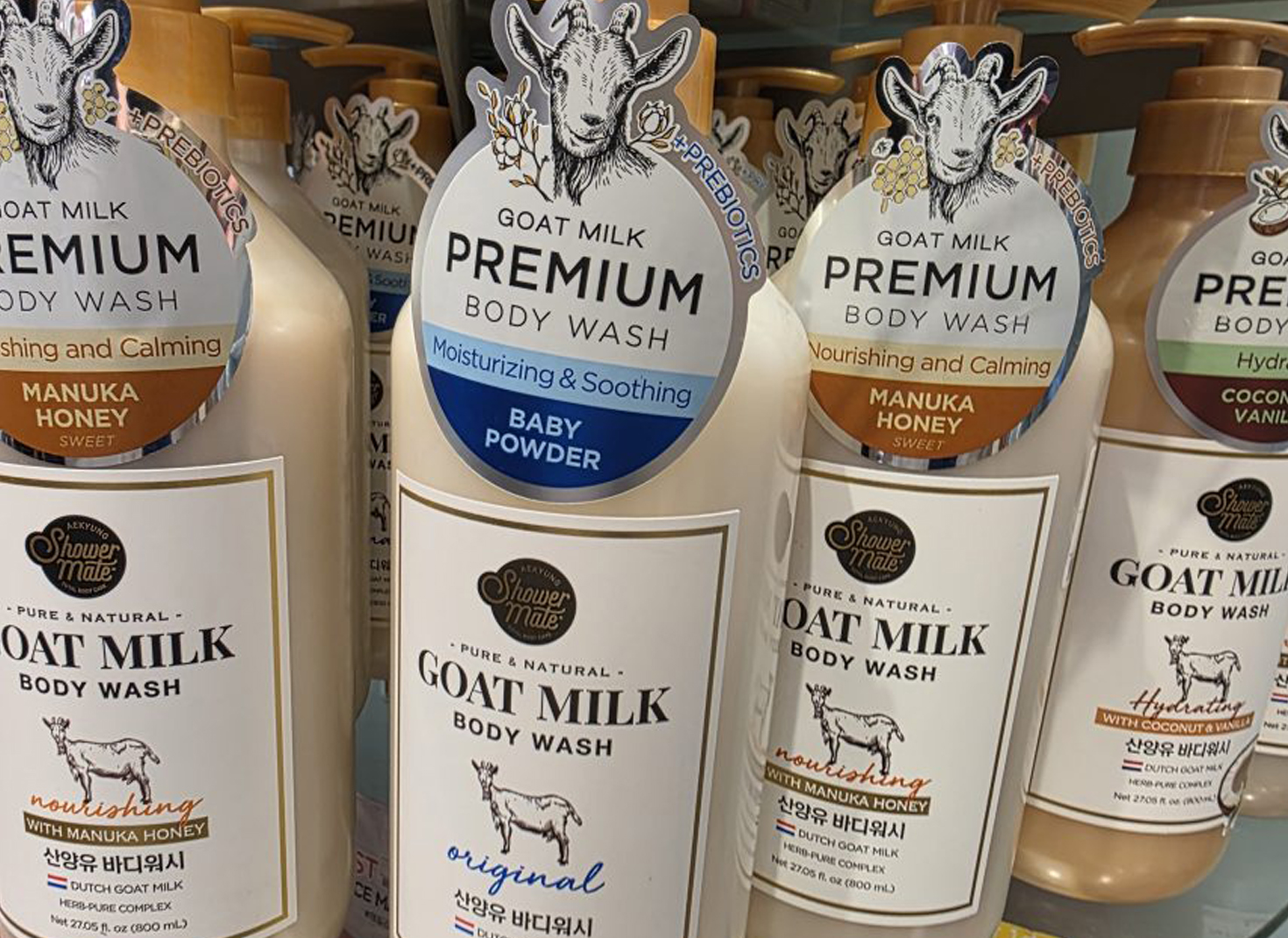
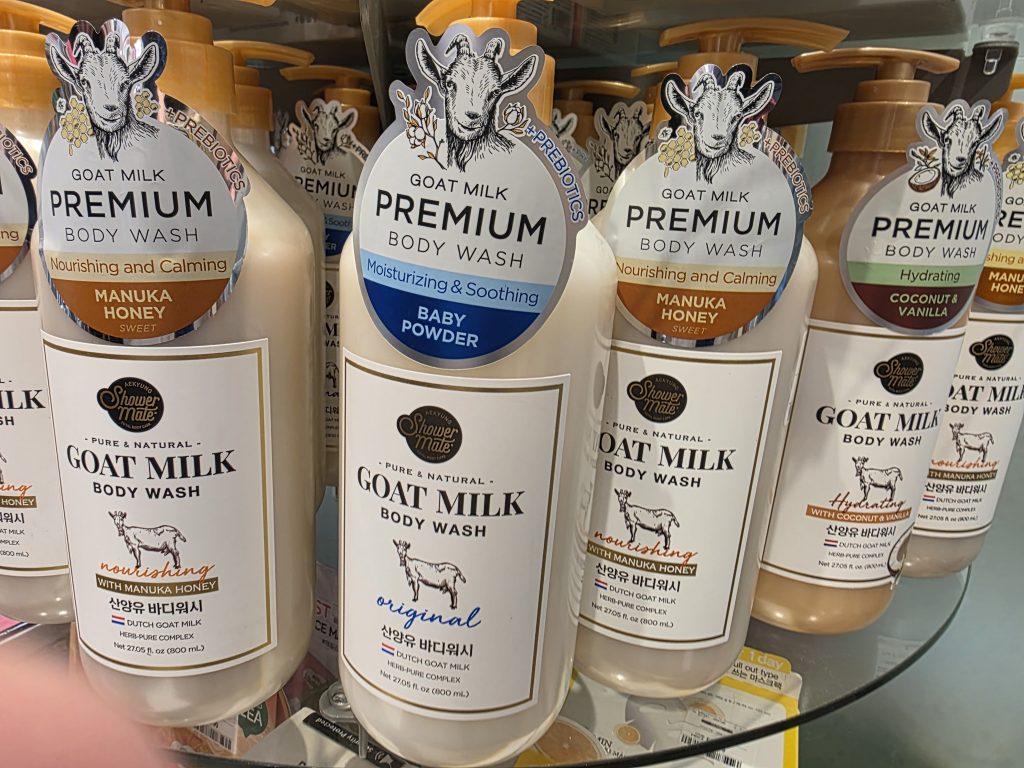
I recently found myself browsing in a local department store, curious (as I always am) about what’s out there in the world of goat’s milk skincare. One product in particular caught my eye — beautifully packaged, labelled as a “goat’s milk soap,” and clearly marketed as a natural, skin-loving choice.
But when I turned it over and read the ingredients more closely, I was honestly quite shocked.
Tucked away in the small print was the actual percentage of goat’s milk used in the product: just 0.003%.
Let’s Put That goat’s milk Into Perspective
0.003% is such a tiny amount that it’s almost meaningless in terms of skin benefits. It’s there more for marketing than for actually doing anything for your skin.
Goat’s milk is known for being rich in:
- Natural fats that help moisturise and protect the skin barrier
- Lactic acid, which gently exfoliates
- Vitamins like A and E, which support healthy skin
But to get those benefits, you need a meaningful amount of goat’s milk in the product — not just a trace.
Why the Percentage Matters
When goat’s milk is included at such a low level, it simply can’t deliver the nourishing, soothing properties people are often looking for — especially if you’re dealing with dry, sensitive, or irritated skin.
It’s a bit like adding a single drop of milk to a bucket of water and calling it “milk.”
Technically true… but not exactly honest in spirit.
What We Do Differently at Mother Clucking Farm
When we created our soaps, it was never about jumping on a trend or using a label for marketing purposes.
It started with a very real need — finding something gentle and effective for sensitive skin.
That’s why every bar we make contains around 30% fresh goat’s milk.
Not 0.003%.
Not a token amount.
A genuinely skin-loving proportion.
Because if you’re choosing a goat’s milk product, it should actually contain goat’s milk in a way that makes a difference.
Why We Use So Much Goat’s Milk
We’ve spent years perfecting our recipes, and using a high percentage of goat’s milk isn’t the easiest or cheapest route — but it’s the one that works.
That higher content helps:
- Create a creamier, more nourishing lather
- Support dry or sensitive skin
- Leave skin feeling soft, not stripped
And because we handle everything ourselves — from the goats to the final product — we know exactly what’s going into every bar.
A Gentle Reminder to Always Check the Label
If there’s one thing I’d encourage anyone to do, it’s this:
👉 Turn the product over and read the ingredients.
Not all “goat’s milk” products are created equal, and the difference between 0.003% and 30% is enormous — both in quality and in potential skin benefits.
Final Thoughts
There are some lovely products out there, and I’m not here to knock other makers. But I do think it’s important to be transparent and honest about what’s actually in the products we use on our skin.
For us, goat’s milk isn’t just a label — it’s the heart of everything we do.
And that’s something we’ll never water down.
If you’ve ever wondered whether goat’s milk skincare really works, the answer might just come down to one simple question:
How much goat’s milk is actually in it?