



What’s Really in “Goat’s Milk” Skincare? A Closer Look at the Ingredients
What’s Really in “Goat’s Milk” Skincare? A Closer Look at the Ingredients
After coming across a so-called “goat’s milk” product in a department store, I decided to take a proper look at the label — not the front, but the back, where the truth usually lives.
What I found raises some serious questions about how these products are marketed… and what we’re actually putting on our skin.
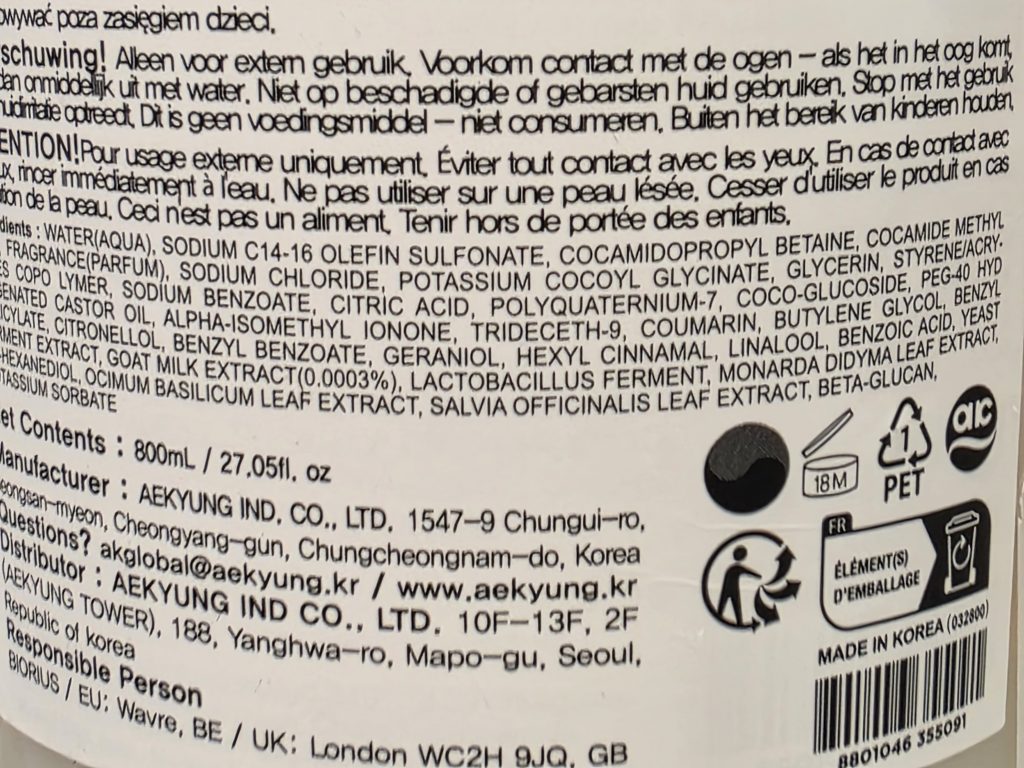
The Reality Behind the Label of this goat’s milk product
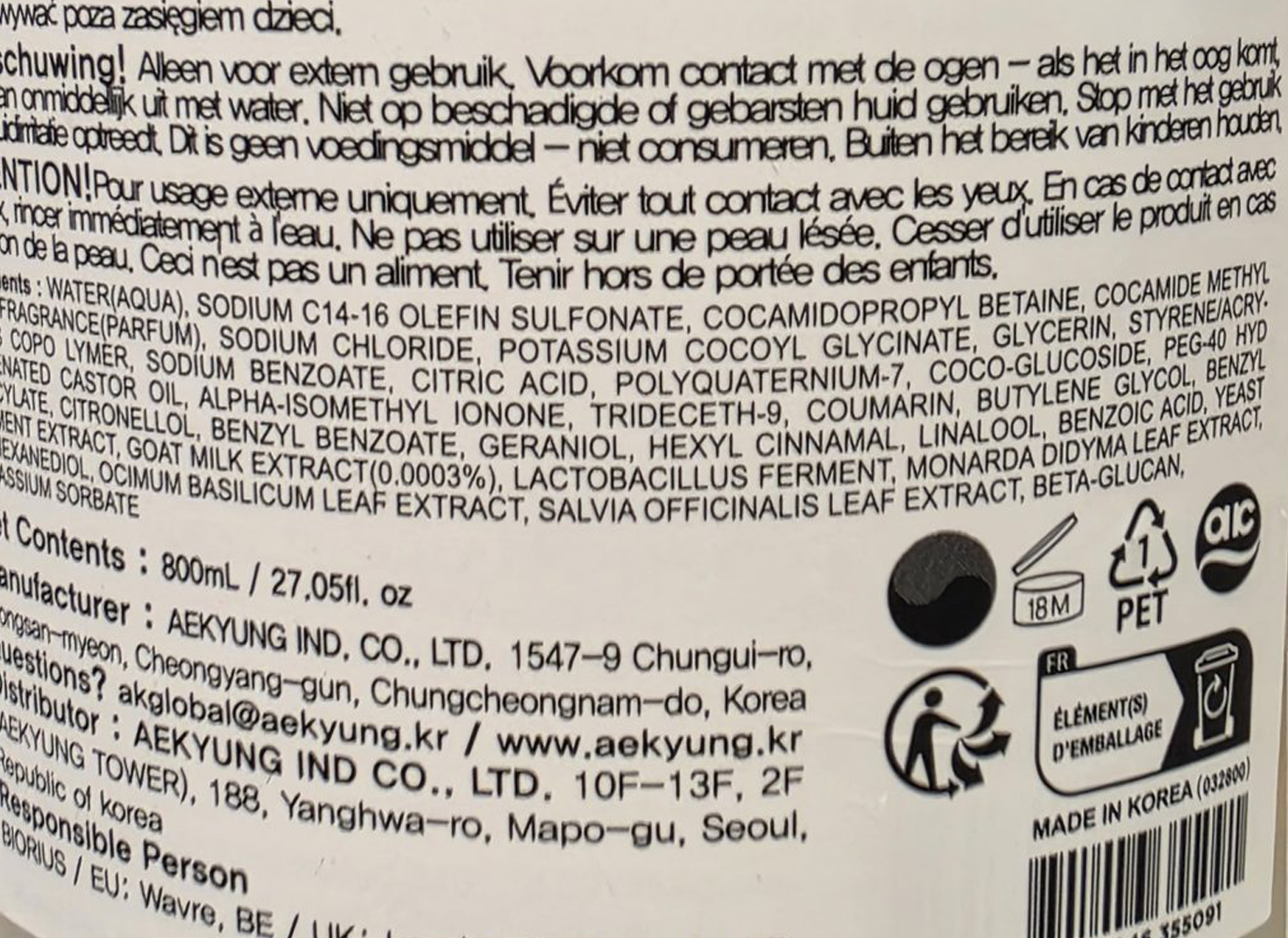
Right there in the ingredients list, buried among a long line of chemical names, was this:
Goat Milk Extract (0.0003%)
Let that sink in for a moment.
That’s not even a fraction of a percent you could meaningfully benefit from. It’s a trace — included just enough to justify putting “goat’s milk” on the label.
But what really stood out wasn’t just the tiny amount of goat’s milk…
It was everything else in the bottle.
A Cocktail of Harsh Cleansers
Near the top of the ingredient list were surfactants like:
- Sodium C14-16 Olefin Sulfonate
- Cocamidopropyl Betaine
These are strong cleansing agents often used to create foam and remove oils. While they might make a product feel effective, they can also be stripping, especially for sensitive or dry skin.
Instead of nourishing your skin, they can disrupt your natural barrier — leaving it tight, irritated, and more prone to dryness.
Fragrance Overload
This product doesn’t just contain “fragrance” — it includes a long list of known fragrance allergens such as:
- Linalool
- Geraniol
- Hexyl Cinnamal
- Citronellol
- Coumarin
For anyone with sensitive skin, eczema, or irritation issues, these can be a real problem.
Fragrance might make a product smell nice, but it adds zero benefit to your skin — and in many cases, it’s one of the biggest triggers for reactions.
Fillers, Preservatives, and Additives
The list continues with ingredients like:
- PEG compounds
- Polyquaternium-7
- Synthetic polymers
- Preservatives like Sodium Benzoate and Benzoic Acid
These are commonly used to stabilise products and extend shelf life, but they don’t contribute anything nourishing or beneficial to your skin.
Instead, they bulk out the formula — making it cheaper to produce while giving the illusion of a premium product.
So What Are You Really Paying For?
When you strip it all back, this product is:
- Mostly water
- A mix of harsh cleansers
- Synthetic additives
- Fragrance chemicals
- And a trace of goat’s milk so small it’s almost irrelevant
Yet it’s marketed as a natural, skin-friendly “goat’s milk” product.
Why This Matters
If you’re choosing goat’s milk skincare, it’s usually for a reason — whether that’s dry skin, sensitivity, or looking for something more natural.
But with products like this, you’re not getting the benefits of goat’s milk.
You’re getting a standard, mass-produced formula with a tiny drop of goat’s milk added for marketing.
A Call for Transparency
There’s nothing wrong with wanting a product that smells nice or lathers well. But there is something wrong with misleading labels that suggest a product is something it’s not.
As consumers, we deserve honesty.
And as makers, we have a responsibility to be clear about what’s actually in our products — not just what sells them.
Final Thoughts
Next time you pick up a “goat’s milk” product, take a moment to turn it over and read the ingredients.
Because sometimes, what’s on the front of the bottle tells a very different story from what’s inside it.
And when it comes to your skin, that difference matters more than you might think.