

Posted on

What’s Really in “Goat’s Milk” Skincare? A Closer Look at the Ingredients

goat’s milk skincare ingredients

What’s Really in “Goat’s Milk” Skincare? A Closer Look at the Ingredients

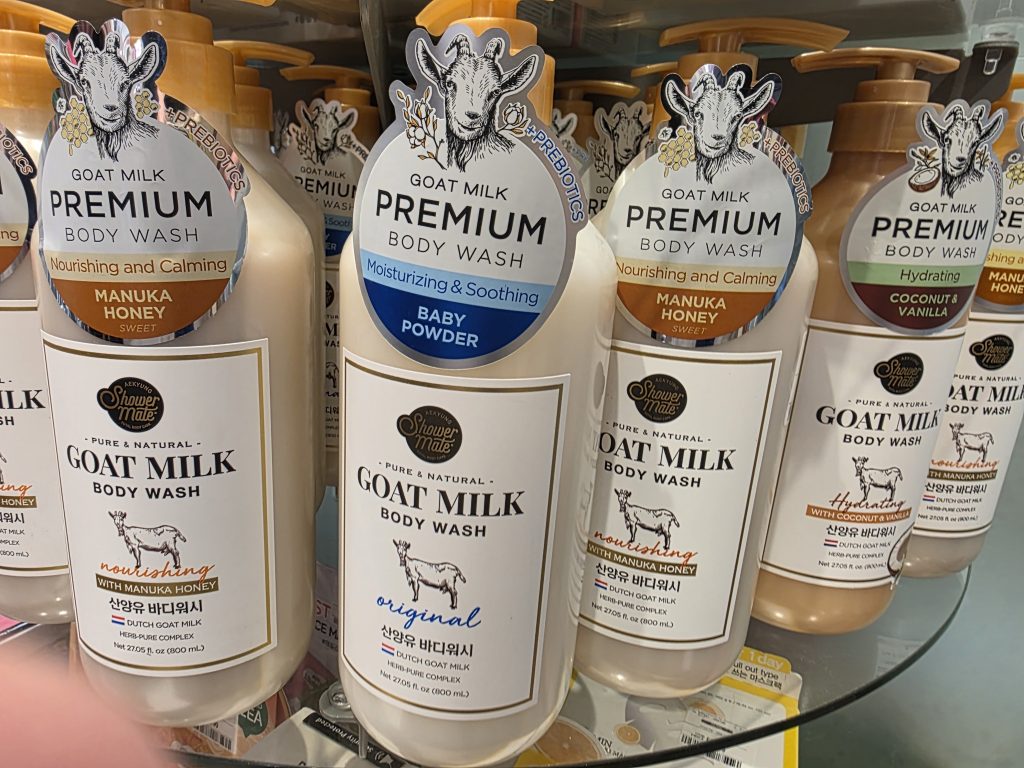
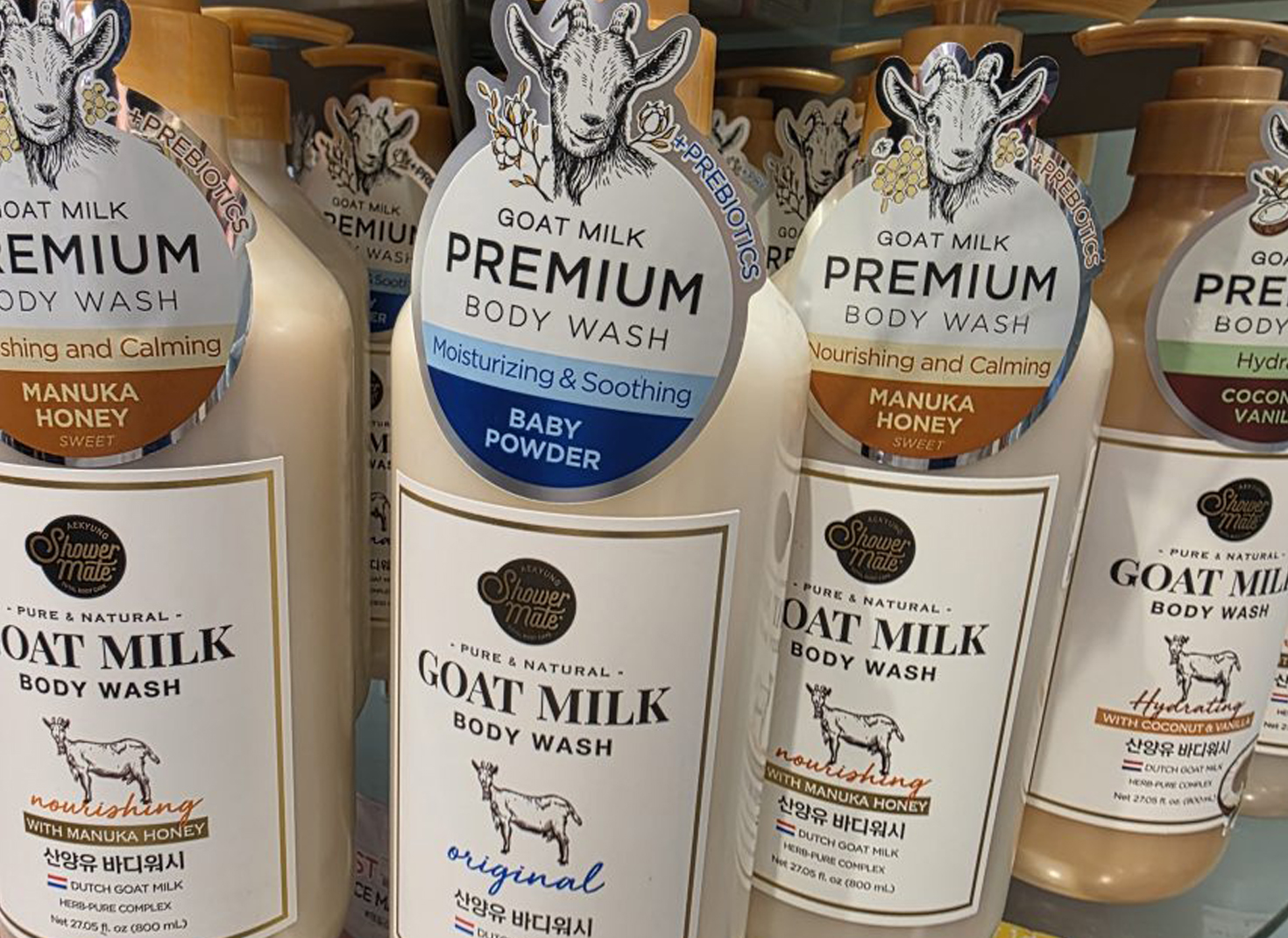
After coming across a so-called “goat’s milk” product in a department store, I decided to take a proper look at the label — not the front, but the back, where the truth usually lives.

What I found raises some serious questions about how these products are marketed… and what we’re actually putting on our skin.
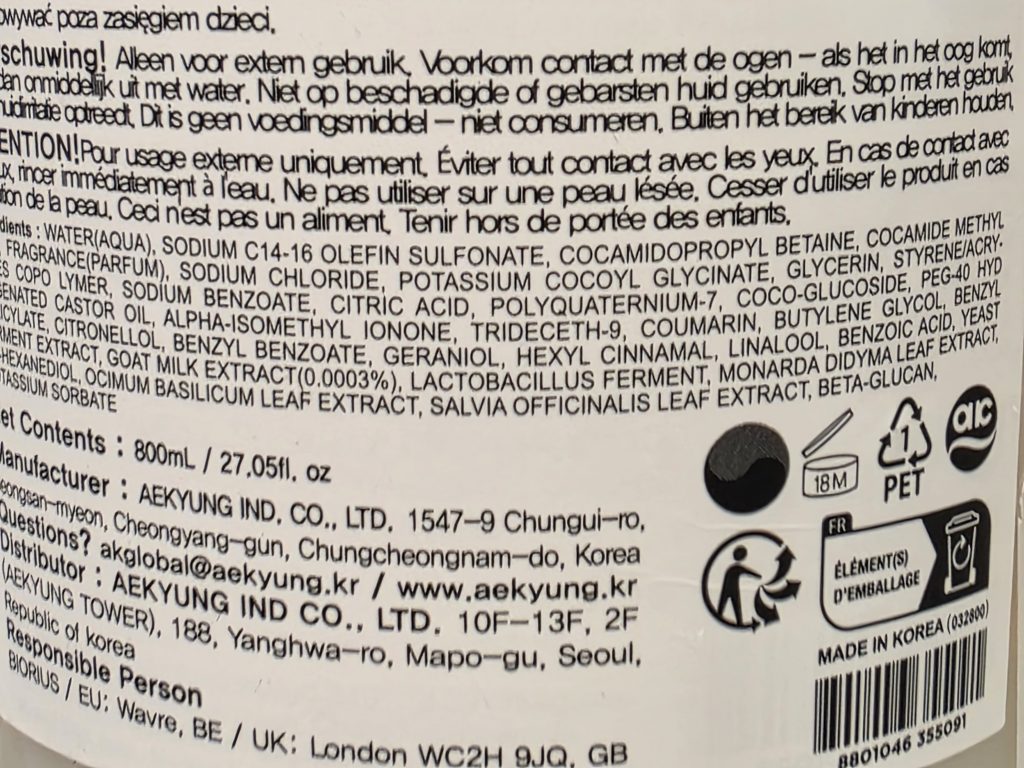

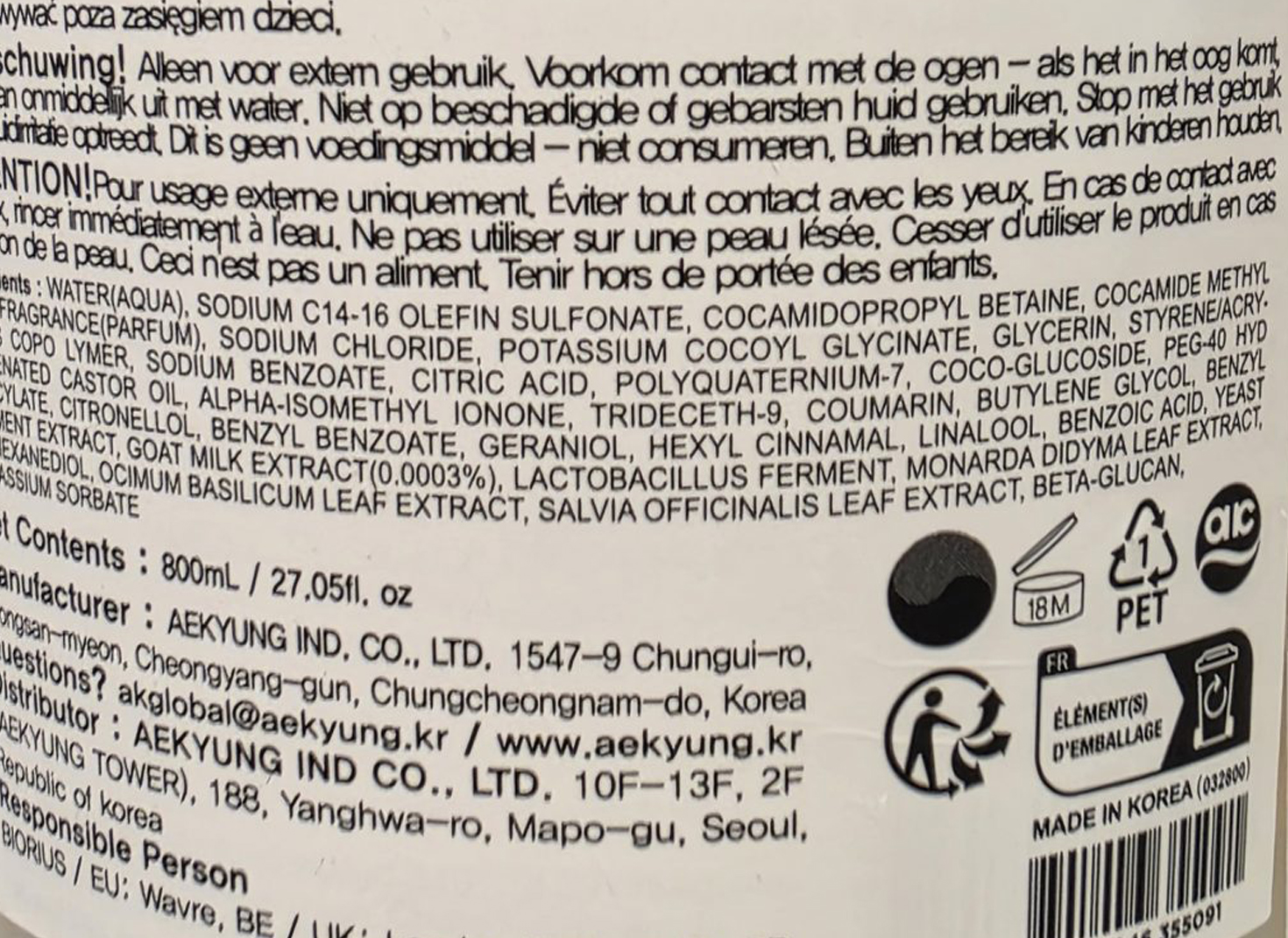
The Reality Behind the Label of this goat’s milk product

Right there in the ingredients list, buried among a long line of chemical names, was this:

Goat Milk Extract (0.0003%)

Let that sink in for a moment.

That’s not even a fraction of a percent you could meaningfully benefit from. It’s a trace — included just enough to justify putting “goat’s milk” on the label.

But what really stood out wasn’t just the tiny amount of goat’s milk…

It was everything else in the bottle.


A Cocktail of Harsh Cleansers

Near the top of the ingredient list were surfactants like:

  • Sodium C14-16 Olefin Sulfonate
  • Cocamidopropyl Betaine

These are strong cleansing agents often used to create foam and remove oils. While they might make a product feel effective, they can also be stripping, especially for sensitive or dry skin.

Instead of nourishing your skin, they can disrupt your natural barrier — leaving it tight, irritated, and more prone to dryness.


Fragrance Overload

This product doesn’t just contain “fragrance” — it includes a long list of known fragrance allergens such as:

  • Linalool
  • Geraniol
  • Hexyl Cinnamal
  • Citronellol
  • Coumarin

For anyone with sensitive skin, eczema, or irritation issues, these can be a real problem.

Fragrance might make a product smell nice, but it adds zero benefit to your skin — and in many cases, it’s one of the biggest triggers for reactions.


Fillers, Preservatives, and Additives

The list continues with ingredients like:

  • PEG compounds
  • Polyquaternium-7
  • Synthetic polymers
  • Preservatives like Sodium Benzoate and Benzoic Acid

These are commonly used to stabilise products and extend shelf life, but they don’t contribute anything nourishing or beneficial to your skin.

Instead, they bulk out the formula — making it cheaper to produce while giving the illusion of a premium product.


So What Are You Really Paying For?

When you strip it all back, this product is:

  • Mostly water
  • A mix of harsh cleansers
  • Synthetic additives
  • Fragrance chemicals
  • And a trace of goat’s milk so small it’s almost irrelevant

Yet it’s marketed as a natural, skin-friendly “goat’s milk” product.


Why This Matters

If you’re choosing goat’s milk skincare, it’s usually for a reason — whether that’s dry skin, sensitivity, or looking for something more natural.

But with products like this, you’re not getting the benefits of goat’s milk.

You’re getting a standard, mass-produced formula with a tiny drop of goat’s milk added for marketing.


A Call for Transparency

There’s nothing wrong with wanting a product that smells nice or lathers well. But there is something wrong with misleading labels that suggest a product is something it’s not.

As consumers, we deserve honesty.

And as makers, we have a responsibility to be clear about what’s actually in our products — not just what sells them.


Final Thoughts

Next time you pick up a “goat’s milk” product, take a moment to turn it over and read the ingredients.

Because sometimes, what’s on the front of the bottle tells a very different story from what’s inside it.

And when it comes to your skin, that difference matters more than you might think.
Posted on

Are “Goat’s Milk” Skincare Products Really What They Claim to Be?

Mother Clucking Farm - Handcrafted Goat Milk Skincare

Are “Goat’s Milk” Skincare Products Really What They Claim to Be?

I recently found myself browsing in a local department store, curious (as I always am) about what’s out there in the world of goat’s milk skincare. One product in particular caught my eye — beautifully packaged, labelled as a “goat’s milk soap,” and clearly marketed as a natural, skin-loving choice.

But when I turned it over and read the ingredients more closely, I was honestly quite shocked.

Tucked away in the small print was the actual percentage of goat’s milk used in the product: just 0.003%.


Let’s Put That goat’s milk Into Perspective

0.003% is such a tiny amount that it’s almost meaningless in terms of skin benefits. It’s there more for marketing than for actually doing anything for your skin.

Goat’s milk is known for being rich in:

  • Natural fats that help moisturise and protect the skin barrier
  • Lactic acid, which gently exfoliates
  • Vitamins like A and E, which support healthy skin

But to get those benefits, you need a meaningful amount of goat’s milk in the product — not just a trace.


Why the Percentage Matters

When goat’s milk is included at such a low level, it simply can’t deliver the nourishing, soothing properties people are often looking for — especially if you’re dealing with dry, sensitive, or irritated skin.

It’s a bit like adding a single drop of milk to a bucket of water and calling it “milk.”

Technically true… but not exactly honest in spirit.


What We Do Differently at Mother Clucking Farm

When we created our soaps, it was never about jumping on a trend or using a label for marketing purposes.

It started with a very real need — finding something gentle and effective for sensitive skin.

That’s why every bar we make contains around 30% fresh goat’s milk.

Not 0.003%.
Not a token amount.
A genuinely skin-loving proportion.

Because if you’re choosing a goat’s milk product, it should actually contain goat’s milk in a way that makes a difference.


Why We Use So Much Goat’s Milk

We’ve spent years perfecting our recipes, and using a high percentage of goat’s milk isn’t the easiest or cheapest route — but it’s the one that works.

That higher content helps:

  • Create a creamier, more nourishing lather
  • Support dry or sensitive skin
  • Leave skin feeling soft, not stripped

And because we handle everything ourselves — from the goats to the final product — we know exactly what’s going into every bar.


A Gentle Reminder to Always Check the Label

If there’s one thing I’d encourage anyone to do, it’s this:

👉 Turn the product over and read the ingredients.

Not all “goat’s milk” products are created equal, and the difference between 0.003% and 30% is enormous — both in quality and in potential skin benefits.


Final Thoughts

There are some lovely products out there, and I’m not here to knock other makers. But I do think it’s important to be transparent and honest about what’s actually in the products we use on our skin.

For us, goat’s milk isn’t just a label — it’s the heart of everything we do.

And that’s something we’ll never water down.


If you’ve ever wondered whether goat’s milk skincare really works, the answer might just come down to one simple question:

How much goat’s milk is actually in it?